
The structural steel market is entering a period of heightened uncertainty, and GCs will feel the impacts first
Over the past several weeks, steel fabricators across the country, including JT Steel, have received an increasing number of pricing increase letters from steel mills and service centers. What makes this different is not just the volume of these notices, but how broadly they apply.
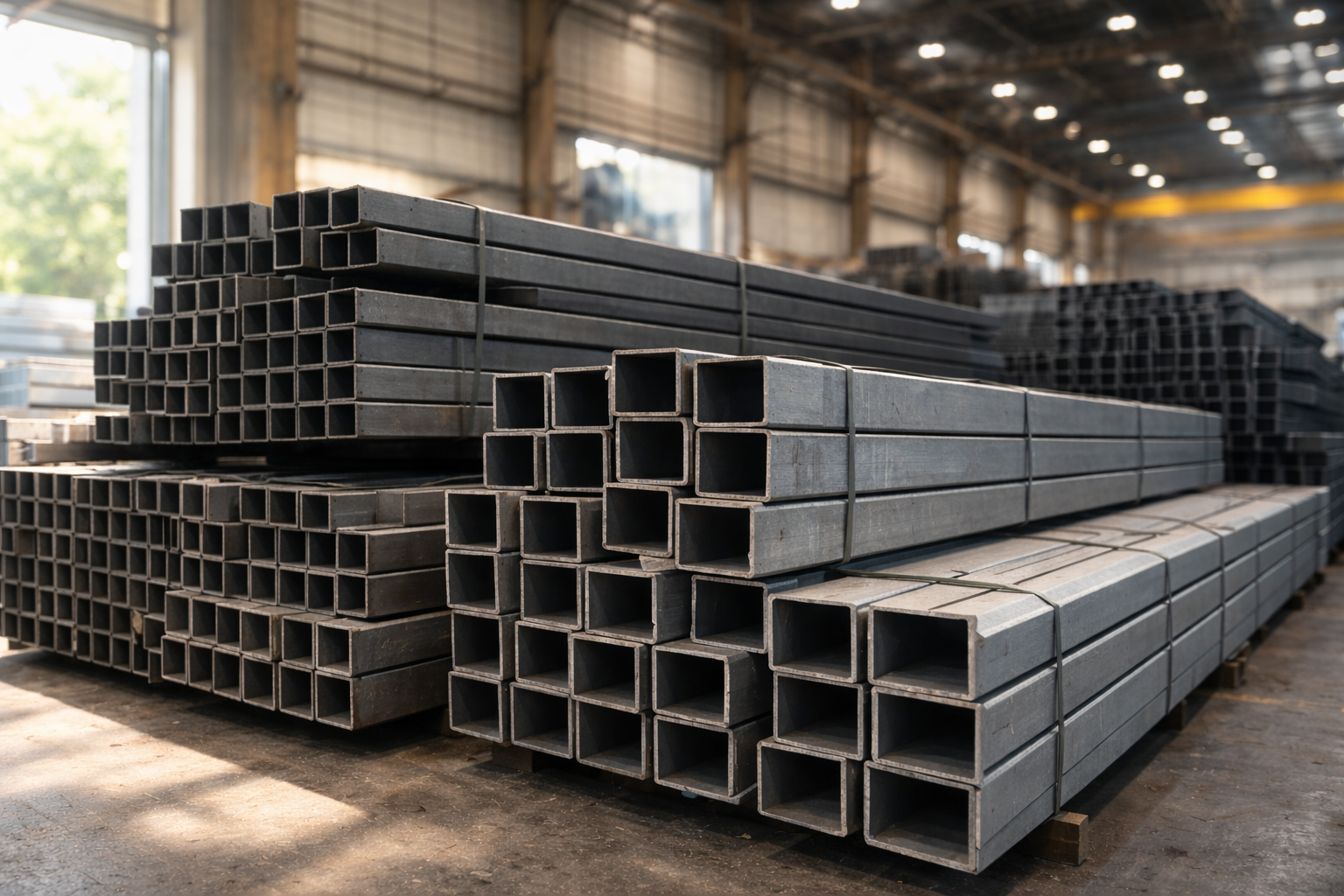
Historically, price volatility was often isolated to specific shapes, most commonly hollow structural sections (HSS). Today, those same types of pricing letters are being issued across nearly all structural shapes, including wide flange beams, channels, angles, plate, and tubing. In practical terms, the “stable” parts of a steel package no longer exist.
Understanding What Is Driving Volatility
Several forces are converging to create today’s steel environment. Domestic mills are investing in major upgrades, which temporarily tightens supply. At the same time, trade restrictions and tariff threats continue to threaten imported steel, keeping more demand on U.S. producers.
Add strong demand from data centers, infrastructure, and manufacturing projects, and the result is a market that can shift quickly. Energy and labor costs only add to that pressure.
The warning is simple: even when demand looks steady, pricing can change suddenly, often with little warning.
What This Means for GC Estimates
The most important takeaway for estimators is that steel pricing may become harder to hold for extended periods of time. When a GC awards a job and a fabricator is released to purchase material, pricing is typically “locked”. Before that moment, the price remains exposed to market movement and material cost increases may occur.
That means two projects with identical tonnage and drawings, bid only weeks apart, can carry meaningfully different steel costs. The longer a project waits to commit, the greater the exposure becomes.
This creates risk, but it also creates an opportunity for GCs to deliver real value to building owners. By sharing this information early, you can help owners understand that delayed decisions carry financial consequences. Advising an owner to authorize an early steel buy out is a practical way to protect their project budget from market forces outside anyone’s control. In today’s environment, this kind of guidance is one of the most valuable services a GC can provide.
The Role of the Fabrication Partner
A steel fabricator’s role goes beyond providing a price. Fabricators receive mill notices, allocation updates, and product specific signals long before they appear in public indexes. This insight allows us to flag when a project is entering a higher risk window and help GCs respond proactively.
Early involvement allows us to advise on material timing, alternative shapes, and procurement strategy, not just react to price changes after the fact. When GCs engage their fabricator early, they gain a clearer view of market conditions and more control over cost exposure.
Looking Ahead to 2026
While no one can predict exact pricing, the indicators suggest that volatility will continue rather than fade. Projects that secure steel earlier will be more predictable. Projects that wait will carry more exposure.
In this environment, the GCs who succeed will be the ones who help owners understand what the market is signaling and take action before risk turns into cost.
Let’s Talk Through What This Means for Your Project
If you want to walk through a job, review material timing, or understand where risk may be increasing, reach out. We’re here as a resource as the market continues to shift.